

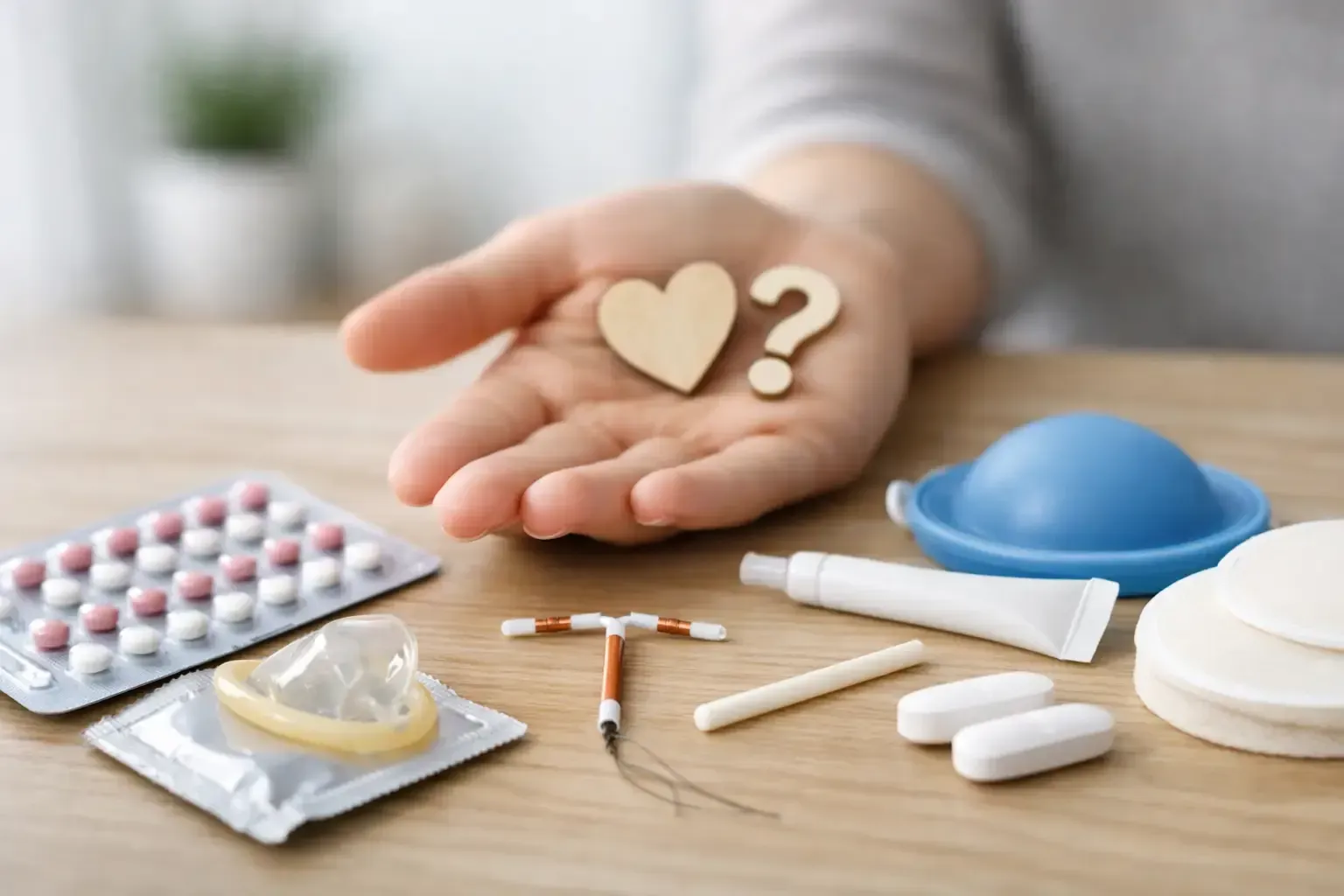
Die Frage „Welche Verhütung passt zu mir?“ stellt sich selten nur bei der ersten Pille oder vor einem neuen Lebensabschnitt. Vielleicht wünschen Sie sich eine möglichst sichere Methode, möchten Hormone vermeiden, leiden unter starken Blutungen oder planen möglicherweise in absehbarer Zeit eine Schwangerschaft. Eine gute Entscheidung entsteht nicht aus einer Rangliste, sondern aus einem Gespräch über Ihren Körper, Ihren Alltag und Ihre Wünsche. Verhütung darf sich sicher anfühlen - medizinisch und persönlich. Sie muss zu Ihrer aktuellen Lebenssituation passen, ohne dass Sie sich mit Nebenwirkungen, Aufwand oder Unsicherheit allein gelassen fühlen. Gleichzeitig kann sich die passende Methode im Lauf des Lebens verändern. Was mit 18 ideal war, muss mit 30, nach einer Geburt oder in den Wechseljahren nicht mehr richtig sein. Welche Verhütung passt zu mir? Die wichtigsten Fragen Bevor es um eine konkrete Methode geht, hilft ein ehrlicher Blick auf Ihre Prioritäten. Wie wichtig ist Ihnen ein sehr hoher Schutz vor Schwangerschaft? Möchten Sie täglich an die Verhütung denken oder lieber für mehrere Jahre nicht daran erinnert werden? Soll die Methode Ihre Blutung beeinflussen, etwa weil diese sehr stark oder schmerzhaft ist? Auch medizinische Fragen gehören dazu: Rauchen Sie, haben Sie Migräne mit Aura, Bluthochdruck, Thrombosen in der eigenen oder familiären Vorgeschichte, Lebererkrankungen oder Brustkrebs gehabt? Nehmen Sie regelmässig Medikamente ein? Diese Faktoren können beeinflussen, ob östrogenhaltige Methoden wie die kombinierte Pille, das Verhütungspflaster oder der Vaginalring geeignet sind. Daneben zählen persönliche Aspekte, die in keiner Packungsbeilage stehen: Wie fühlt sich eine Blutung für Sie an? Wie wichtig ist Spontaneität beim Sex? Möchten Sie Ihren Zyklus bewusst wahrnehmen? Gibt es eine stabile Partnerschaft oder wechselnde sexuelle Kontakte? Und wäre eine Schwangerschaft zwar nicht geplant, aber grundsätzlich denkbar - oder unbedingt zu vermeiden? Jede dieser Antworten ist legitim und hilft, die Auswahl einzugrenzen. Sicherheit im Alltag zählt mehr als Theorie Viele Verhütungsmethoden funktionieren bei korrekter Anwendung sehr zuverlässig. Im Alltag entstehen jedoch Fehler: Eine Pille wird vergessen, ein Pflaster zu spät gewechselt, ein Kondom reisst oder die fruchtbaren Tage werden falsch eingeschätzt. Deshalb ist nicht nur die theoretische Sicherheit entscheidend, sondern auch, wie gut eine Methode in Ihren Alltag passt. Lang wirksame Methoden wie die Spirale, das Hormonimplantat oder die Dreimonatsspritze verlangen weniger regelmässige Eigenanwendung. Das kann besonders entlastend sein, wenn Sie eine sehr sichere Verhütung wünschen und nicht täglich daran denken möchten. Dafür braucht es vor der Entscheidung eine sorgfältige Untersuchung und Beratung. Auch Nebenwirkungen oder Veränderungen der Blutung sollten offen besprochen werden. Kondome haben eine besondere Rolle: Sie schützen - bei korrekter Anwendung - zusätzlich vor vielen sexuell übertragbaren Infektionen. Spirale, Pille, Ring und Implantat schützen nicht vor Infektionen. Bei neuen oder wechselnden Sexualkontakten kann die Kombination aus Kondom und einer weiteren Verhütungsmethode deshalb sinnvoll sein. Hormonelle Verhütung: Möglichkeiten und Unterschiede Hormonelle Methoden wirken je nach Präparat mit Östrogen und Gestagen oder nur mit Gestagen. Sie können den Eisprung hemmen, den Zervixschleim verdicken und den Aufbau der Gebärmutterschleimhaut verändern. Welche Wirkung im Vordergrund steht, hängt von der jeweiligen Methode ab. Die kombinierte Pille, der Vaginalring und das Verhütungspflaster ermöglichen oft eine planbare Blutung und können Regelschmerzen, Akne oder starke Blutungen verbessern. Sie erfordern jedoch eine zuverlässige Anwendung und sind nicht für alle Personen geeignet. Insbesondere bei erhöhtem Thromboserisiko, Migräne mit Aura oder bestimmten Herz-Kreislauf-Erkrankungen wird individuell geprüft, ob eine andere Methode sicherer ist. Gestagen-only-Methoden umfassen unter anderem die Minipille, das Hormonimplantat, die Hormonspirale und die Dreimonatsspritze. Sie können eine gute Alternative sein, wenn Östrogen nicht infrage kommt. Gerade die Hormonspirale wird häufig gewählt, weil sie über Jahre schützt und bei vielen Anwenderinnen zu deutlich schwächeren Blutungen führt. In den ersten Monaten sind jedoch unregelmässige Blutungen oder Schmierblutungen möglich. Die Dreimonatsspritze ist wirksam und praktisch, wenn regelmässige Termine gut in Ihren Alltag passen. Sie kann aber den Zyklus längerfristig verändern. Nach dem Absetzen kann es zudem einige Zeit dauern, bis die Fruchtbarkeit wieder vollständig einsetzt. Bei einer geplanten Schwangerschaft in naher Zukunft ist sie deshalb nicht immer die erste Wahl. Hormonfrei verhüten: Kupfer, Barrieremethoden und Zykluswissen Die Kupferspirale und die Kupferkette bieten eine langfristige, hormonfreie Verhütung. Sie verändern den natürlichen Hormonhaushalt nicht und wirken mehrere Jahre. Für Personen mit sehr starken oder schmerzhaften Monatsblutungen sind sie allerdings nicht immer ideal, da Blutung und Schmerzen zunehmen können. Kondome, Diaphragmen und Portiokappen werden unmittelbar vor dem Geschlechtsverkehr verwendet. Sie geben Ihnen Kontrolle in der jeweiligen Situation, verlangen aber Übung und eine korrekte Anwendung. Kondome sind bei Infektionsschutz besonders wertvoll. Ein Diaphragma kann für manche Personen gut passen, wenn es fachgerecht angepasst wird und die Anwendung sicher beherrscht wird. Natürliche Familienplanung oder symptothermale Methoden beruhen auf der Beobachtung von Zykluszeichen wie Basaltemperatur und Zervixschleim. Diese Methode kann gut zu Menschen passen, die ihren Zyklus genau kennenlernen möchten und bereit sind, sich konsequent damit zu beschäftigen. Sie erfordert aber Wissen, Regelmässigkeit und gegebenenfalls Enthaltsamkeit oder zusätzliche Verhütung in der fruchtbaren Zeit. Bei unregelmässigen Zyklen, nach einer Geburt, in der Stillzeit oder in den Wechseljahren kann die Einschätzung besonders anspruchsvoll sein. ## Blutungen, Haut, Schmerzen: Verhütung kann mehr beeinflussen Die Wahl einer Verhütung ist auch dann eine medizinische Entscheidung, wenn der Schutz vor Schwangerschaft im Zentrum steht. [Starke Blutungen](https://www.arztpraxis-seeblick.ch/gynaekologie/menstruationsbeschwerden), [Endometriose](https://www.arztpraxis-seeblick.ch/endometriose-wenn-schmerzen-zur-regel-werden), PMS, Akne oder Zyklusbeschwerden können die Auswahl beeinflussen. Eine Hormonspirale kann beispielsweise bei sehr starken Blutungen entlasten, während eine Kupferspirale diese verstärken kann. Kombinierte hormonelle Methoden können manchen Personen bei Akne helfen, bei anderen stehen andere gesundheitliche Faktoren dagegen. Nicht jede Veränderung unter einer Methode ist automatisch gefährlich, aber sie sollte ernst genommen werden. Neue Kopfschmerzen, starke Stimmungsschwankungen, anhaltende Blutungen, Schmerzen beim Geschlechtsverkehr oder Beschwerden nach dem Einsetzen einer Spirale gehören in eine ärztliche Abklärung. Gleiches gilt für ein plötzliches Anschwellen oder Schmerzen eines Beins, Atemnot oder Brustschmerzen unter östrogenhaltiger Verhütung - hier ist eine rasche medizinische Beurteilung notwendig. ## Verhütung in besonderen Lebensphasen Nach einer Geburt und in der Stillzeit verändert sich der Körper. Einige hormonelle Methoden können früh eingesetzt werden, andere sind abhängig vom Zeitpunkt nach der Geburt, vom Stillen und von individuellen Risikofaktoren. Allein auf das Ausbleiben der Menstruation als Schutz zu vertrauen, ist nur unter sehr engen Voraussetzungen möglich und oft weniger sicher als angenommen. Auch ab etwa 40 Jahren bleibt Verhütung relevant, solange noch Eisprünge auftreten können. Ob hormonelle Methoden weiterhin passen, hängt besonders von Blutdruck, Rauchstatus, Migräne, Stoffwechsel und persönlicher Krankengeschichte ab. Gleichzeitig lassen sich Beschwerden in der Übergangszeit zu den Wechseljahren gezielt berücksichtigen. Wenn Sie nach einer Verhütungspanne - etwa einem gerissenen Kondom oder einer vergessenen Pille - Sorge vor einer Schwangerschaft haben, warten Sie nicht ab. Die Notfallverhütung ist zeitabhängig. Je früher Sie sich beraten lassen, desto mehr Möglichkeiten stehen zur Verfügung. ## Die Beratung schafft Klarheit Eine persönliche Verhütungsberatung bietet Raum für Fragen, die online oft unbeantwortet bleiben: Ist eine Spirale auch ohne Geburt möglich? Wird das Einsetzen schmerzhaft sein? Was passiert mit meiner Blutung? Kann ich die Methode rasch absetzen, wenn ich [schwanger werden möchte](https://www.arztpraxis-seeblick.ch/gynaekologie/kinderwunsch)? Und was ist, wenn ich mich mit einer Methode einfach nicht wohlfühle? In der Arztpraxis Seeblick nehmen wir diese Fragen ernst. Eine passende Verhütung wird nicht verordnet, weil sie gerade häufig gewählt wird, sondern weil sie nach sorgfältiger Abklärung zu Ihnen passt. Dazu gehören Ihre medizinische Vorgeschichte, eine Untersuchung, Ihre Erfahrungen mit früheren Methoden und Ihre persönliche Lebensplanung. Sie müssen Ihre Entscheidung nicht für immer treffen. Eine Methode darf überprüft, gewechselt oder beendet werden, wenn sich Ihre Bedürfnisse verändern. Der beste nächste Schritt ist ein vertrauliches Gespräch, in dem Ihre Sicherheit, Ihr Wohlbefinden und Ihre Wünsche gleich viel Gewicht erhalten.

Recurrent Vaginal Infections: Identifying Causes, Treating Them, and Protecting the Vaginal Flora. Find out when it makes sense for you to seek medical evaluation.

Severe Period Pain: What to Do About Cramps?
