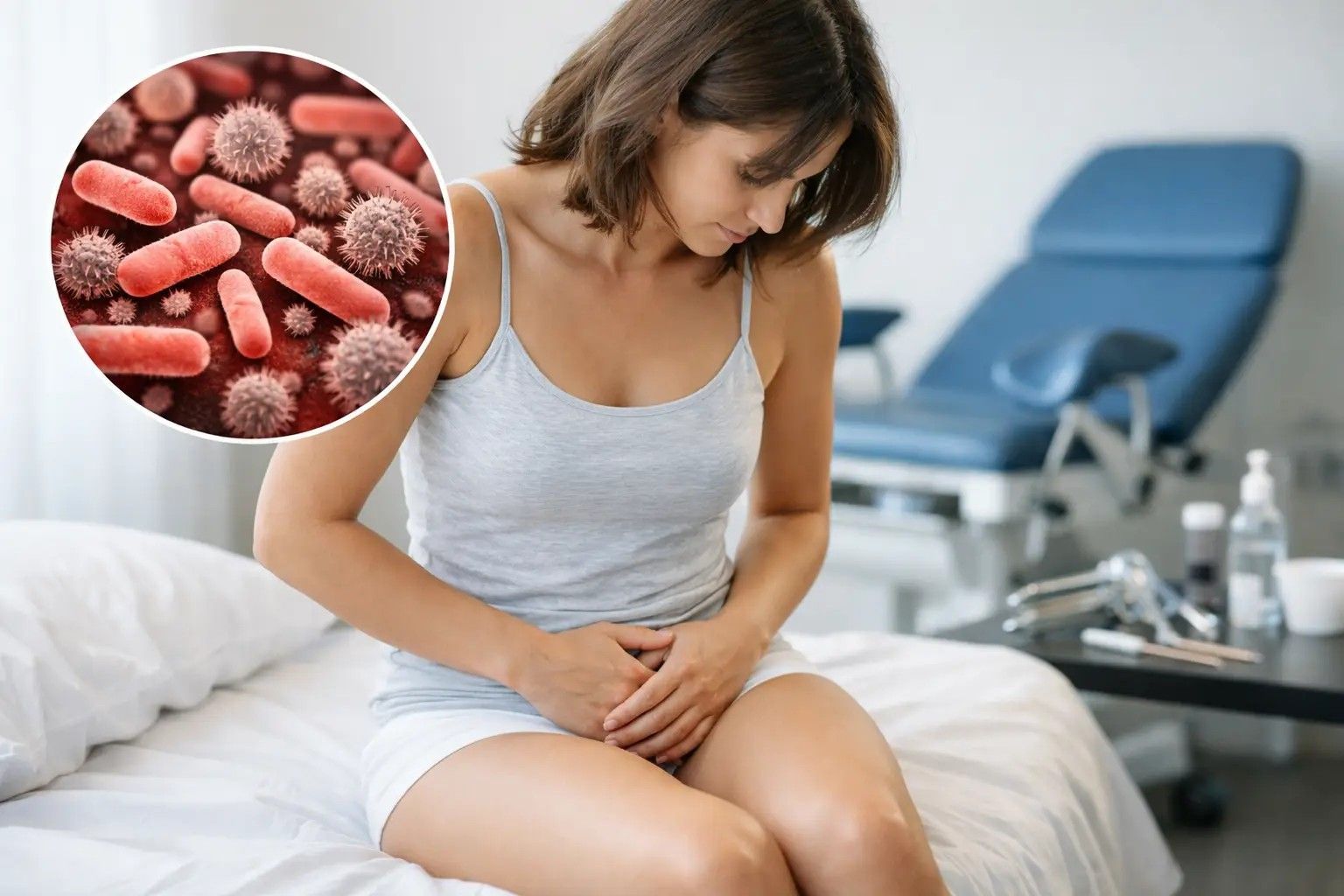
Severe Period Pain: What to Do About Cramps?
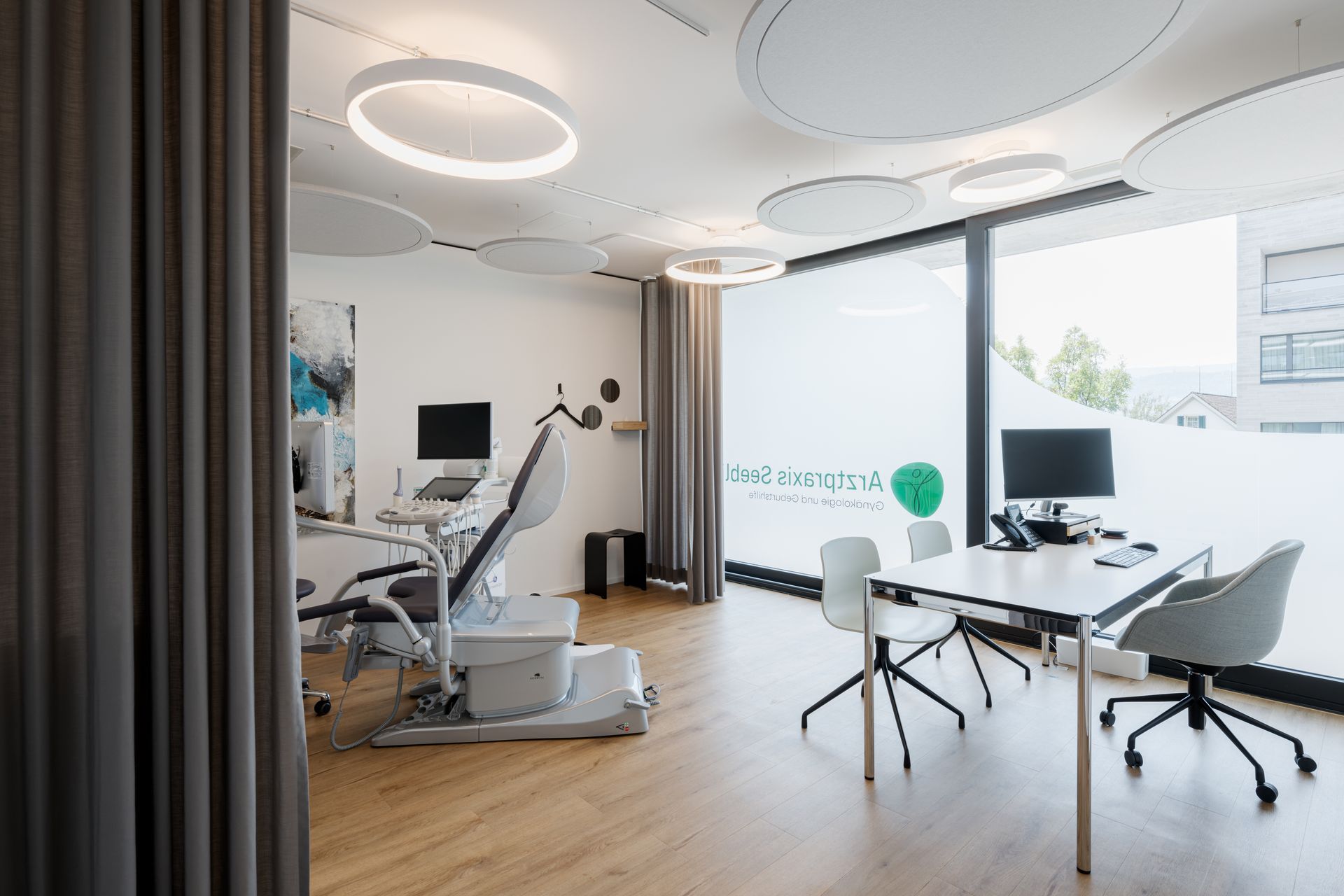
Severe Menstrual Cramps: What to Do When It’s Hard to Go About Your Daily Life?
If you have to miss school, work, sports, or social activities because of cramps during the first few days of your period, you shouldn’t just put up with the pain. While menstrual cramps are common, if they significantly interfere with your daily life, they’re not normal and should be evaluated by a doctor.
When Period Pain Is Still Within the Expected Range
During menstruation, the uterus produces the body’s own signaling substances, known as prostaglandins. These trigger contractions so that the uterine lining can be shed and the bleeding stops. The contractions may be felt as a pulling sensation or cramps in the lower abdomen and may radiate to the back or thighs. The pain often begins shortly before or at the onset of bleeding and improves within one to two days.
From primary dysmenorrhea when there is no underlying organic cause. They often begin in the first few years after the first menstrual period. These symptoms can also be distressing and should be treated effectively. It is not necessary to endure the pain or struggle through daily life month after month.
The situation is different if the symptoms become significantly more severe, occur for the first time after years of little or no pain, or persist between periods. In such cases, we conduct targeted tests to determine whether there is an underlying physical cause. One possible cause, for example, could be endometriosis. A thorough gynecological evaluation is important to ensure that the appropriate treatment is found.
Severe Period Cramps: What Can You Do for Immediate Relief?
For cramp-like pain, heat provides noticeable relief for many people. A hot water bottle, a warm bath, or a heating pad can help relax the muscles. Light exercise, such as a leisurely walk, gentle stretching, or yoga, can also be soothing. Whether rest or exercise is more beneficial depends on the individual: Listen to your body and avoid putting pressure on yourself to perform.
Anti-inflammatory pain relievers such as ibuprofen or naproxen can effectively relieve menstrual cramps because they inhibit the production of prostaglandins. They are often most effective when taken early, at the first signs of bleeding or pain. Be sure to follow the package insert and the dosage recommended by your doctor. Not every pain reliever is suitable for everyone.
If you have stomach or intestinal ulcers, kidney problems, certain cardiovascular conditions, are taking blood thinners, have allergies, or may be pregnant, you should consult a doctor or pharmacist before taking this medication. Acetaminophen may be an option, but it is less effective for cramp-related menstrual pain in some people. Do not combine pain relievers on your own, and do not take them in high doses for several days.
Keeping a symptom diary can also be helpful. Over the course of two to three cycles, note when the pain begins, how severe it is, how long it lasts, how heavy the bleeding is, and what measures provide relief. This information will make your consultation with your doctor much easier.
Warning Signs: When Should You Seek Help Immediately?
Not every heavy period is a medical emergency. However, there are symptoms that should be evaluated by a doctor promptly—and, if particularly severe, on the same day:
- sudden-onset, very severe, or one-sided lower abdominal pain
- severe pain accompanied by fever, vomiting, circulatory problems, or fainting
- unusually heavy bleeding that causes pads or tampons to become saturated very quickly over the course of several hours
- unusual discharge, pain when urinating, or pain after a recent sexual encounter
In such situations, the cause may be, for example, an infection, a cyst, or another acute condition. If you faint, experience severe circulatory problems, or have unbearable pain, contact emergency services.
What could be the causes of very severe pain?
A common cause is endometriosis. In this condition, tissue similar to the uterine lining grows outside the uterus—for example, on the peritoneum, the ovaries, or in the area around the intestines and bladder. Severe, cycle-related lower abdominal pain is typical. Pain during sexual intercourse, bowel movements, or urination during menstruation, difficulty conceiving, or severe fatigue may also occur. The severity of the pain is not a reliable indicator of how advanced the disease is.
Adenomyosis can also cause symptoms. In this condition, tissue similar to the endometrium is found within the muscular wall of the uterus. Severe cramping often occurs along with very heavy or prolonged bleeding. Fibroids—benign muscle tumors of the uterus—can also cause a feeling of pressure, heavier bleeding, and pain.
Other possible causes include ovarian cysts, pelvic inflammation, adhesions following surgery, or, in rare cases, abnormalities of the uterus. It is especially important to seek medical evaluation if the pain does not improve despite appropriate pain management or if it repeatedly interferes with your daily life.
What happens during a gynecological exam?
A thorough evaluation begins with your symptoms. When did the pain start? Does it occur only during your period? How severe are the bleeding, pain, and impact on your daily life? Do you experience pain during sexual intercourse, when using the restroom, or when trying to conceive? Previous surgeries, birth control methods, medications, and family medical history may also be relevant.
Depending on the situation, a gynecological examination and a transvaginal ultrasound may follow. For adolescents, or if a transvaginal examination is not appropriate, we choose a gentle approach that is age- and situation-appropriate. An ultrasound can detect, for example, fibroids, larger cysts, or signs of adenomyosis. However, it does not always reliably rule out endometriosis. In certain cases, additional imaging, laboratory tests, or a laparoscopy may be advisable.
It is crucial that your description be taken seriously. Unremarkable test results do not mean that your pain is imaginary. Together, we will determine what the next medically appropriate step is that also fits your life situation.
Treatment: Tailored to the Individual Rather Than Improvising on a Monthly Basis
The appropriate treatment depends on the suspected cause, the severity of your symptoms, your medical history, and your preferences. If no underlying condition is detected, a well-tailored pain management plan, heat therapy, exercise, and proactive planning around the first few days of your period can already make a big difference.
Hormonal birth control methods can reduce menstrual cramps and the amount of menstrual bleeding. Depending on your personal situation, these may include combined oral contraceptives, progestin-only methods, or a hormonal IUD. They are not equally suitable for everyone. Factors such as the desire to have children, migraines with aura, risk of thrombosis, bleeding pattern, and personal preferences should therefore be discussed during the consultation.
For endometriosis, adenomyosis, or fibroids, we tailor treatment specifically to the findings and symptoms. Sometimes medication is the primary focus; other times, surgery is the appropriate course of action. Modern minimally invasive procedures can offer a gentle treatment option. Especially for women hoping to conceive, a personalized approach is important so that pain relief and family planning can be carefully coordinated.
You don’t have to accept severe menstrual cramps as an inevitable part of your monthly cycle. Seeking early, respectful medical evaluation provides clarity and opens up options for treatment that fits your body, your daily life, and your personal preferences.
Other topics that might interest you